

Some times you look, and your pet seems suddenly older, whilst ageing doesn’t actually happen overnight. Often we’ve already been making changes without realising.
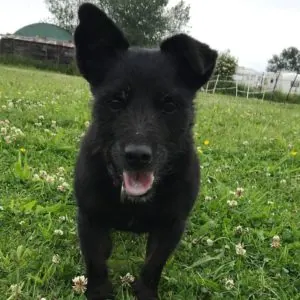
whether you share your life with a dog, cat, small animal or even a horse, understanding signs of ageing and what to do when you notice them, can help you make changes.. even subtle changes can have a large impact on their comfort, wellbeing and quality of life.
Some of the below is based on personal experiences.
Here’s some of the things you may notice, and support you can offer your pet.
Changes In Mobility & Activity.
You may notice your pet becoming stiff after periods of low/no movement.
Perhaps they start to moving differently, being less enthusiastic about longer walks, struggling with the sofa, or stairs.
What can you do?
- Introduce non-slip mats/rugs to help prevent injurys
- Provide comfortable bedding (some animals may start feeling the cold more)
- Provide suitable access to their usual resting spots – i.e like steps to help them access the sofa – you may also wish to prevent access whilst your pets unattended.
- Adapt exercise to their individual ability, this can also change day to day – look out for signs they may not walk as far some days more than others.
- Speak to your vet about any changes in mobility – don’t always assume it’s signs of ageing, i’d also recommend getting in touch with a physiotherapist.
Changes In Sleep & Routines.
Older pets may sleep more, make changes in where they usual sleep, become more unsettled in the night.
They may also become more attached to their owners, dislike being left, and whilst others may prefer more uninterrupted rest,
What you can do?
- Provide quiet and comfortable sleeping area
- Keep their routine as consistent as possible.
- Allow additional time to rest between activity.
- Monitor changes in sleeping patterns, change of behaviour and discuss with your vet & physio if you are concerned.
Changes In Appetite & Drinking.
Dental discomfort, underlying health conditions and changes in their senses can all influence eating and drinking habits.
what can you do?
- Monitor how much your pet is eating and any changes to this consult with your vet.
- Keep track of any weight changes
- Monitor how much your pet is drinking and any changes to this consult with your vet.
Changes In Behaviour & Temperament.
A previous social butterfly may becomes less tolerant of handling, seek more time alone, or seem withdrawn.
It’s important to note some of the above mentioned in this blog can also be signs of pain or medical issues, please always consult a vet/physio if you notice any of the changes mentioned in this blog.
What you can do?
- Give your pet the choice to move away during any handling
- Your may find grooming needs to be done in stages rather than one go.
- Avoid surprising them, specially if their eye sight, hearing is declining.
- Seek vet advise about any new or unusual/unwillingness to handling/behaviour.
One of the most important things to remember is that getting older doesn’t automatically mean your pet should be uncomfortable, inactive or withdrawn.
Small adaptations in their environment, routine, and care can make a real difference, equally recognizing when something isn’t quite right and seeking professional advice early can help identify problems that may be treatable.
At Hoof & Paws we believe every pet deserves care that considers their individual needs at every stage of their life.
The Golden years deserve to be just as full of love, comfort and happiness.


